Fact-check viral claims with evidence
Evidence-based fact-checks of viral claims about AI, startups, technology, and science.
WeirdTrue checks the facts behind viral headlines and startup metrics. Each case links claims to original sources, weighs supporting and conflicting evidence, and explains what the record can—and cannot—show.
- A gigawatt by late 2026, said the press release. 2028, says the SEC filing.
September 2025: Jensen Huang and Sam Altman announce 10 gigawatts of NVIDIA systems and up to $100 billion, with the first gigawatt live in the second half of 2026. Since then, Huang has told CNBC the $100 billion was never a commitment, Vera Rubin shipments only start in the autumn of 2026, and NVIDIA's own August 2026 10-Q ties the Ohio campus to ready-for-service dates "beginning in 2028." H2 2026 ends on December 31. The clock is a matter of public record.
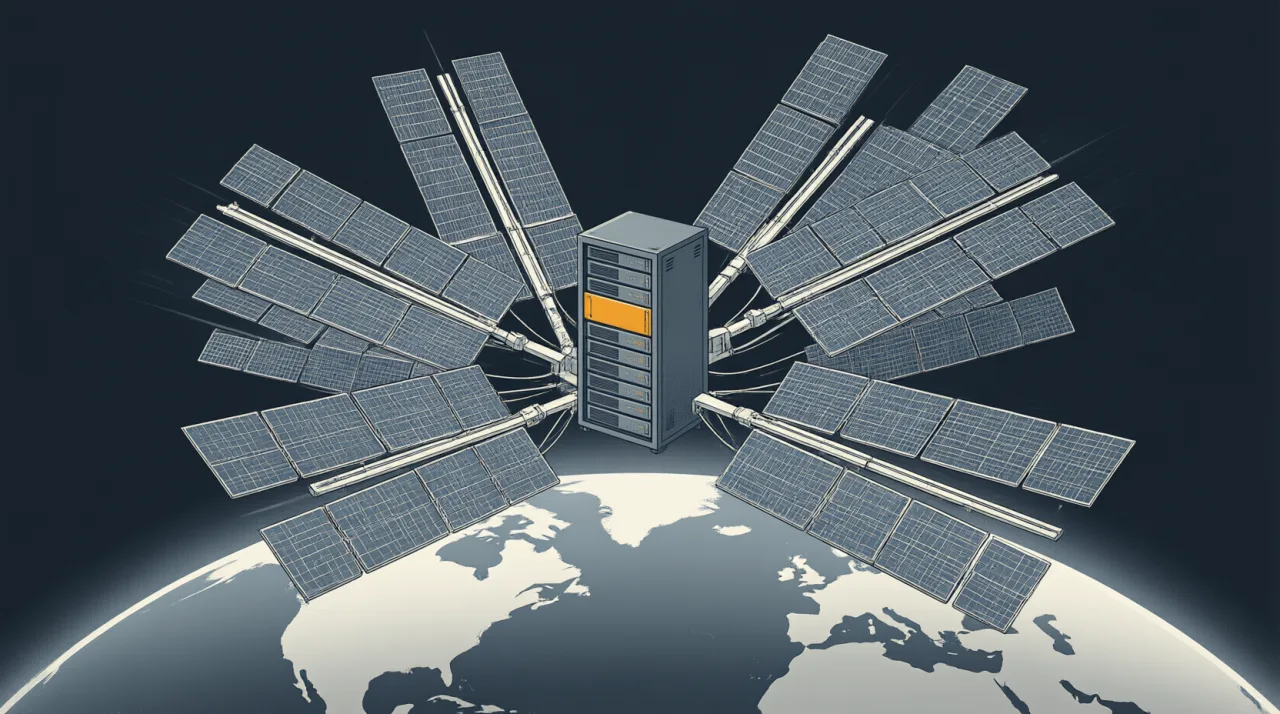
Partially contradicted· Compute & energy · 5 evidence · 2026-09-23 - In orbit the sunlight is free and nothing else is: Starcloud's $0.002/kWh against a 2.5–3x cost premium
Starcloud's white paper prices energy in orbit at about $0.002/kWh, roughly ten times below a data center on Earth, and the pitch has since pulled in a Google research program and a SpaceX filing at the FCC. Then the people with no satellite to sell ran their own numbers. BCG puts space-based compute at a 2.5–3x cost premium over the ground today. IEEE Spectrum reports that radiators and solar arrays eat 65–70% of a satellite's mass, and cites a study putting a GPU-year in orbit at least an order of magnitude above a GPU-year on the ground. The cheap sunlight is real. It is everything bolted around it that is in dispute.
Partially contradicted· Compute & energy · 8 evidence · 2026-09-23